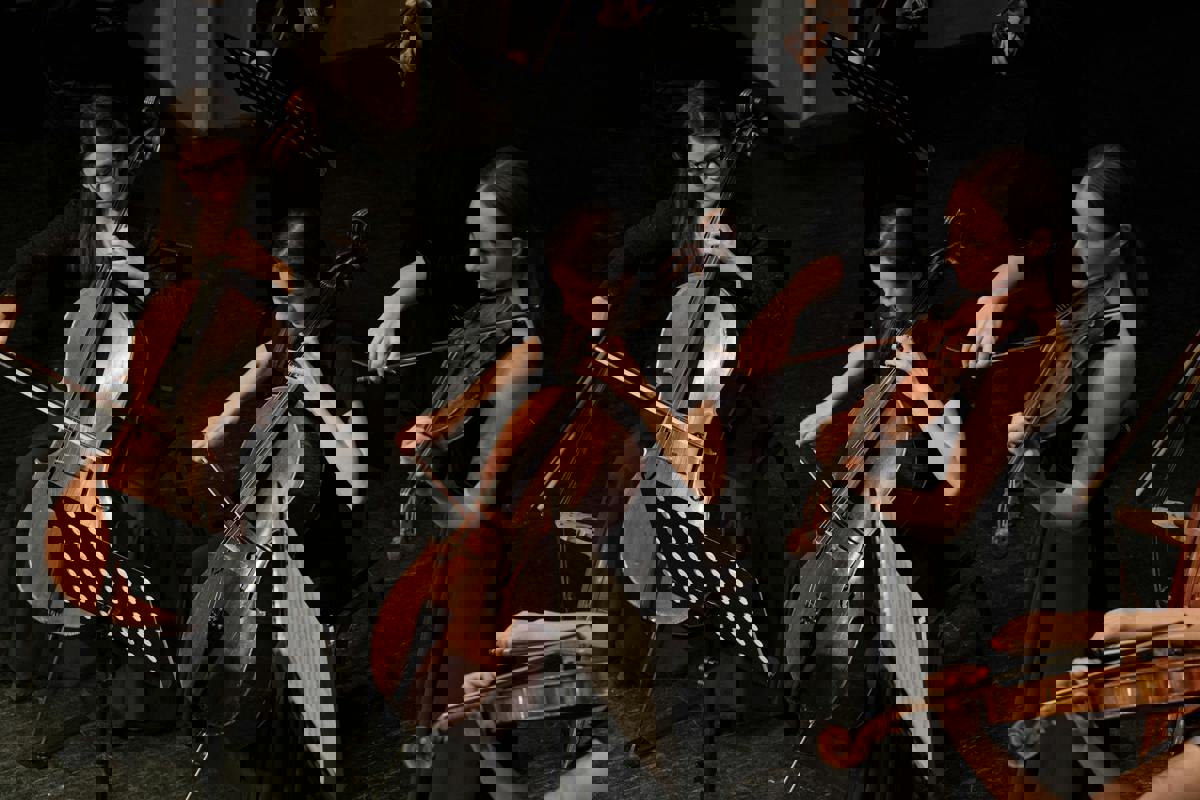
A recent concert hall event marked a turning point in the classical music scene as a dedicated youth orchestra debuted restored works by long-overlooked composers. The evening was more than just a performance; it was a vibrant celebration of musical heritage brought forth by the energy and artistry of young talents. Audiences were treated to a unique experience, as forgotten symphonies echoed through the auditorium with renewed vigor and emotional intensity.
The Youth Orchestra Revival Initiative, launched earlier this year, aims to shine a spotlight on composers whose works have languished in obscurity. Their mission is both ambitious and heartfelt: to rescue valuable pieces from oblivion and present them to a new generation. This project blends musical scholarship and youthful enthusiasm, ensuring these compositions are not only preserved but brought vividly back to life.
According to music director Emily Harrison, the process begins with carefully researching neglected scores, often buried in national archives or underutilized libraries. "We comb through collections, sometimes finding handwritten manuscripts that haven’t been performed for a century or more," Harrison explains. The orchestra then collaborates with musicologists to verify, interpret, and restore the original intent of each piece, respecting historical detail while preparing it for modern audiences.
Rehearsals for the revived symphonies are especially demanding. The youthful musicians must contend with unfamiliar notation, unconventional orchestration, and stylistic nuances not found in standard repertoire. Viola player Alex Turner described the challenge as exhilarating: "It’s like stepping into the composer’s world and learning a new musical language. There’s a thrill in performing something no one alive has ever heard played before."
The initiative also brings together diverse young musicians from across the country, often through a rigorous audition process. Selected instrumentalists range from talented secondary school students to emerging conservatory graduates. Their shared motivation stems from a desire to explore beyond mainstream classical works and contribute to the wider cultural landscape through performance and collaboration.
Through this project, audiences have been introduced to compositions by figures such as Alice Mary Smith, Samuel Coleridge-Taylor, and Ethel Smyth—names with deep historical roots but few modern performances. Specialist conductor Dr. Leonard Price notes, "It’s astonishing how much depth and innovation we find in these recovered scores. These aren’t just historical curiosities; they’re vibrant musical statements deserving of a stage."
Ticket demand for the orchestra's concert was unprecedented, with the event selling out days in advance. Attendees spanned generations, from seasoned classical enthusiasts to young families seeking to introduce their children to orchestral music. The atmosphere was one of palpable anticipation, and the audience response to each restored piece was overwhelmingly positive, sparking lively post-concert discussions.
Critics have enthusiastically praised the project, lauding both the orchestra’s technical proficiency and their curatorial choices. In one review, The Times observed, "This youth ensemble brings a rare combination of scholarly respect and daring creativity, elevating forgotten works into exhilarating concert experiences." Such feedback underscores the project’s significance in challenging conventional programming and expanding the canon of performed repertoire.
Integral to the orchestra’s mission is an educational component. Pre-concert talks and multimedia presentations accompany each performance, providing historical context and highlighting the composers’ personal journeys. In schools, orchestra members lead workshops, introducing students to the revived works and demystifying both the music and the larger field of classical scholarship.
The initiative has also leveraged modern technology, digitizing rare scores and sharing annotated versions online. This digital component enables other ensembles worldwide to access and perform these restored compositions, potentially sparking similar revivals in different locales. Project organizers hope this will create a ripple effect, encouraging musicians globally to explore and champion overlooked musical treasures.
Funding for such an undertaking comes from a blend of private donations, grants from arts organizations, and public crowdfunding campaigns. Organizers have emphasized the community’s crucial role: "Every contribution, whether financial or through volunteering, helps preserve cultural history and inspires the next generation of artists," says fundraising chair Sophia Patel. This collective effort underscores the power of music to unite people around a common cause.
Looking ahead, the orchestra has announced plans for a series of recordings, both in traditional formats and as streamed digital albums. These releases will further amplify the impact of their work, making it accessible to a broader audience beyond the concert hall. Such initiatives contribute to a reawakened interest in classical music, fostering appreciation for both its history and ongoing evolution.
Ultimately, this youth orchestra’s revival of forgotten composers is more than a musical project; it’s a cultural phenomenon reenergizing the arts scene. As their journey continues, they serve as an inspiring example of how young people, armed with passion and curiosity, can reconnect society with its artistic heritage—opening new chapters in the ever-evolving story of classical music.