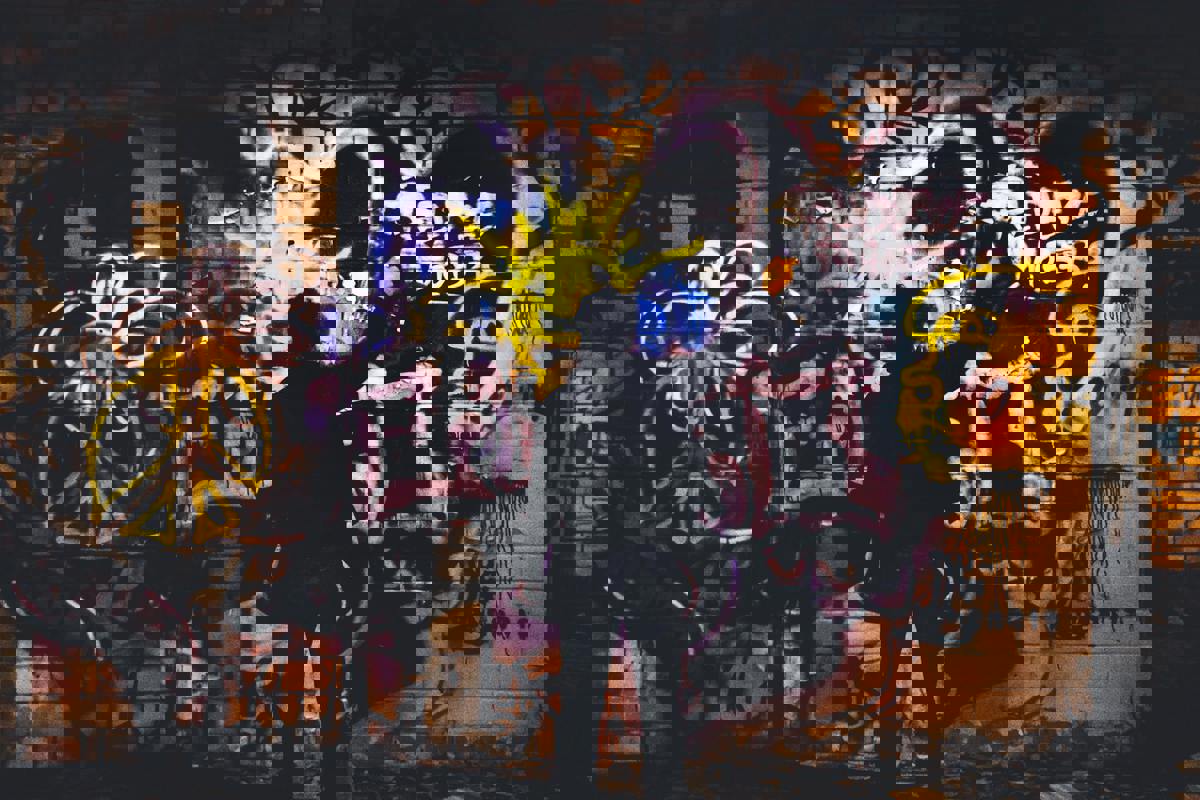
Once considered an underground movement flirting with illegality, graffiti art has taken a dramatic turn as urban initiatives step up to celebrate street artists. Across many British cities, walls once regarded as canvases for vandalism are now being transformed into vibrant displays of creativity. This change in perspective has not only altered public perception but has provided artists with legitimate spaces to express themselves, cultivating a colourful open-air gallery accessible to everyone.
The driving force behind this transformation is a structured street art initiative, inviting graffiti artists to reclaim the cityscape. Local councils and cultural organisations have collaborated to identify and allocate blank, often neglected urban walls for this purpose. As a result, artists are given both the necessary permission and materials to work on their projects. This support has enabled an explosion of creative output, drawing admiration from residents and visitors alike.
Public response to these newly colourful streetscapes has been overwhelmingly positive. Many people remark on how these artistic interventions uplift their neighbourhoods, turning drab streets into destinations in their own right. "It brings life to the city and gives us all something beautiful to look at," says Abby Williams, a local resident. Notably, these artworks reflect the diverse cultures and narratives present within urban communities, resonating with a broad range of city dwellers.
The initiative has also had a significant impact on the artists themselves, offering them recognition and the chance to reach wider audiences. Many participants are emerging talents who previously worked anonymously due to the legal grey area surrounding graffiti. Kevin Matthews, a street artist involved in the program, notes, "For the first time, our work gets the appreciation it deserves and we can sign our names with pride."
This newfound legitimacy is attracting not just local artists, but internationally recognised creators seeking to contribute to the city’s open-air gallery. As word of the initiative spreads, muralists from across Europe have submitted proposals to participate, eager to leave their mark on the urban landscape. This influx brings fresh styles and techniques, creating a dynamic, ever-evolving visual experience for those who traverse the streets.
In addition to enriching the public’s daily environment, the project has fostered a sense of community ownership and engagement. Residents are often invited to contribute to mural designs, attend unveiling events, or even participate in painting sessions. Such activities encourage dialogue between artists and the public, breaking down barriers and dispelling the outdated notion of graffiti as mere vandalism. School groups, in particular, have benefited from workshops introducing the basics of mural art.
From an economic standpoint, the open-air gallery initiative has generated positive outcomes for local businesses. Cafés, shops, and markets in areas graced by striking new murals have reported increased footfall. Tourists, drawn by the city’s reputation as a street art hub, frequently map out routes to visit the most talked-about installations. Some tour operators have even established guided walks focused exclusively on these vibrant urban artworks.
Authorities have acknowledged the positive changes brought about by the initiative, citing declines in illegal graffiti tagged on non-designated properties. By offering sanctioned spaces and fostering pride in well-maintained street art, city councils have curbed unwanted defacement. "Respect for the artists has translated into respect for our city," says council spokesperson Emily Hart. Implementation of such schemes is now being considered in other towns and boroughs nationwide.
Despite its overwhelming support, the initiative is not without its critics. Some property owners and traditionalists question the permanence of the murals and whether public funds should be allocated to street art rather than other civic projects. Organisers have addressed these concerns through open consultations and frequent rotation of murals, allowing for both public input and continual renewal of the city’s creative face.
Looking ahead, the future of graffiti as part of the urban fabric appears bright. Organisers are already planning seasonal festivals, expanding partnerships with art schools, and launching digital platforms that document new works and spotlight individual artists. These efforts promise to cement the city’s reputation for fostering creative innovation while ensuring that everyone, from locals to tourists, can enjoy the ever-changing beauty of its open-air gallery.