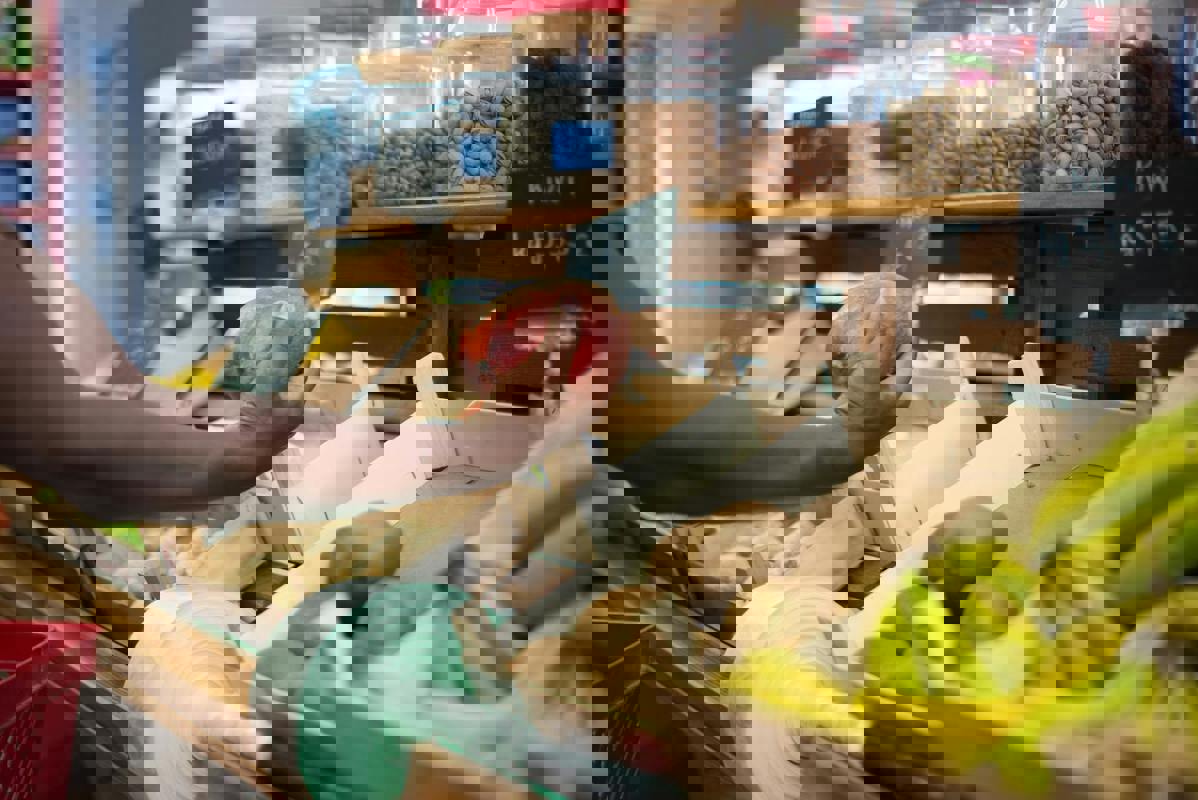
As the cost-of-living crisis continues to grip the United Kingdom, leading supermarket chains have begun slashing grocery prices in a bid to ease financial pressures on consumers. These price reductions are being welcomed by shoppers facing soaring utility bills, fuel prices, and stagnant wages. This move marks one of the most significant responses by the retail sector to public demands for relief from persistent inflation and economic uncertainty.
In the past year, inflation in the UK has remained stubbornly high, particularly when it comes to food prices. The Office for National Statistics (ONS) reported that grocery prices climbed nearly 19% year-on-year at their peak in 2023, making staple items such as bread, milk, and eggs more expensive than ever. Many households have been forced to change their shopping habits, switching to budget brands or shopping at discount retailers.
Recognizing these shifts, supermarket giants like Tesco, Sainsbury’s, and Asda have all announced sweeping price reductions on hundreds of everyday goods. These cuts have been strategically implemented on frequently purchased items, including fresh produce, cooking essentials, and household necessities. According to a Tesco spokesperson, “We know customers are feeling the pinch, and it’s our responsibility to help where we can.”
Discounters such as Aldi and Lidl have also intensified their competitive pricing strategies, prompting traditional supermarkets to follow suit in order to retain market share. By lowering prices on key items, retailers are aiming not only to attract budget-conscious shoppers, but also to reinforce their commitment to supporting communities during challenging times. Retail analyst Martin Lane noted that, “This is a turning point in UK grocery retail, with affordability and loyalty now fully entwined.”
While price reductions provide welcome relief for consumers, they present a complex challenge for grocers who are already operating on thin profit margins. Historically, supermarkets have had little room to maneuver on pricing due to high supply chain costs and competitive pressures. However, mounting public pressure and increasing competition from discounters have forced retailers to reconsider their pricing strategies.
To balance these cuts, supermarkets are working closely with suppliers to renegotiate deals, leverage economies of scale, and identify efficiencies within their operations. Some have introduced special promotions like multi-buy offers and loyalty discounts to cushion the financial impacts while continuing to deliver value. Sainsbury's chief executive, Simon Roberts, explained, “We must adapt quickly to the changing market and support customers wherever possible.”
Consumer advocacy groups have played a significant role in driving these changes, raising awareness about food insecurity and urging grocers to act responsibly. The Food Foundation, a UK charity, reports that millions of people are now skipping meals or reducing portion sizes due to financial constraints. These sobering statistics have added urgency to calls for action from major supermarkets.
The price reductions come amid a broader trend of retailers re-evaluating their long-term strategies. Some supermarkets are expanding their private-label offerings, which are often priced lower than branded alternatives, to provide cost-effective choices. According to IGD, an industry think tank, private-label goods now account for nearly half of all grocery sales in the UK—a significant increase compared to previous years.
Shoppers have responded positively to the price cuts, with many expressing relief on social media and in customer surveys. According to YouGov polling, 68% of Britons say they are more likely to shop at a store that has recently reduced prices on essential items. This feedback underscores how integral supermarket pricing decisions have become to household budgets.
However, industry experts caution that while price cuts are helpful, they may only provide temporary relief unless broader economic issues are addressed. “Supermarkets cannot solve inflation on their own,” said economist Harriet Black. “Without action on wages and housing costs, many families will continue to struggle regardless of lower grocery bills.” This warning highlights the interconnected nature of the current crisis.
Government officials have acknowledged the retail sector’s efforts, but have also stressed the need for a coordinated approach to tackle cost-of-living challenges. In response, policymakers are considering further measures, such as targeted subsidies and tax breaks, aimed at supporting both consumers and small businesses. Discussions continue over ways to address underlying causes of high inflation and to ensure economic stability.
Looking forward, UK supermarkets are expected to continue monitoring consumer trends and adjusting their pricing accordingly. With the cost-of-living crisis showing little sign of abating, the role of grocers as both food providers and economic buffers will remain crucial. In the words of shopper Emily Harris from Birmingham, “Every penny counts these days. It’s good to see supermarkets finally listening and helping us weather the storm.”